
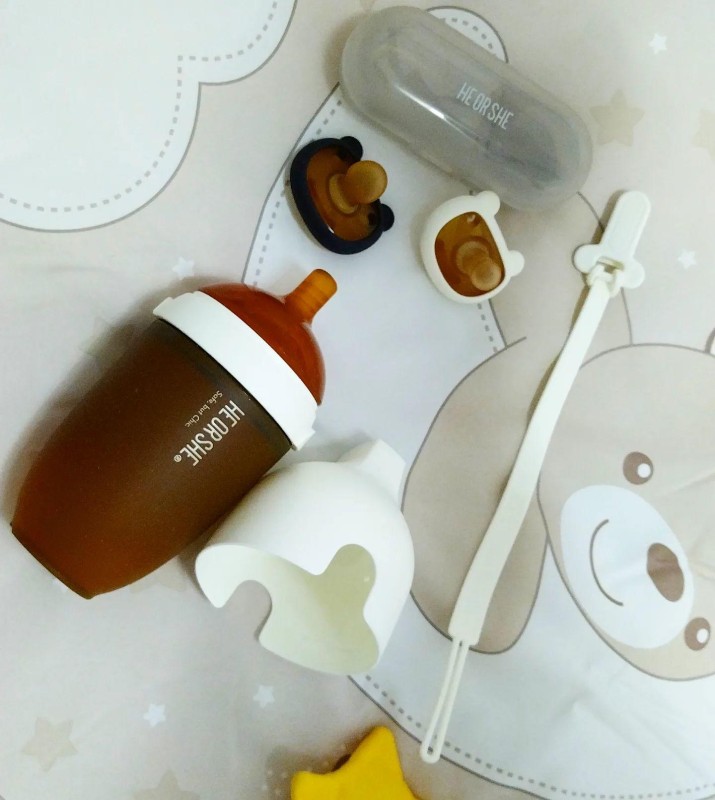
How to Clean and Maintain Baby Bottles Safely
HEORSHE Care Guide
A clean bottle routine brings more than peace of mind. It helps support safer feeding, protects delicate little tummies, and keeps every feeding moment a little easier. Below, we’ll walk through simple bottle-cleaning best practices, sterilization methods, HEORSHE care tips, and thoughtful habits for everyday use.
A gentle reminder: Baby bottles should be cleaned after every use, and sterilized regularly when needed. A consistent cleaning routine helps reduce residue buildup, limit microbial contamination, and keep feeding equipment ready for safe daily care.
What Are the Best Practices for Cleaning Baby Bottles?
The best bottle-cleaning routine is simple, consistent, and gentle on every part of the feeding setup. After each use, bottles should be rinsed promptly and washed thoroughly to remove milk or formula residue before it dries onto inner surfaces.
It’s also important to clean every individual component, including nipples, rings, caps, valves, and seals. Small parts can trap residue more easily, so careful cleaning helps lower the risk of bacterial or fungal growth.
Research suggests that contaminated feeding bottles may serve as a possible transmission pathway for enteric pathogens in infants, especially when cleaning routines are inconsistent.
Research Note: Baby Bottle Contamination & Hygiene Improvement Feeding of infant formula using contaminated bottles may be an important transmission pathway of enteric pathogens during early life. Determinants of suboptimal bottle hygiene and the feasibility and acceptability of intervention strategies have not been well assessed.
A reliable everyday routine
- Rinse bottles soon after feeding
- Wash with warm water and mild dish soap
- Separate all parts before cleaning
- Use a bottle brush for inner surfaces
- Rinse thoroughly before drying
Which Cleaning Tools and Materials Ensure Safe Baby Bottle Hygiene?
Choosing the right cleaning tools makes your routine more effective and helps protect bottle materials over time. Gentle, baby-safe tools are usually all you need.
Helps reach the bottle base, corners, and curved inner walls.
A gentle formula helps wash away residue without leaving strong scents behind.
Useful for valves, vents, nipples, and other smaller openings.
Supports hygienic air drying and helps keep parts organized.
Try to avoid harsh chemicals, bleach-based residue-heavy cleaners, or abrasive scrubbers that may scratch feeding surfaces or wear out parts too quickly.
How Often Should Baby Bottles Be Cleaned and Sterilized?
Baby bottles should be cleaned after every use. Sterilization may be added to your routine for newborns, babies under three months, and infants with higher health risks, including those born prematurely or with compromised immunity.
It’s also wise to sterilize when bottles have been sitting unused for a while, develop lingering odors, or still show residue after normal washing.
For higher-risk infants, daily sterilization may help reduce remaining microbial load.
Research Note: Cleaning & Sterilization Review Systematic reviews highlight the importance of effective cleaning and sterilization methods for infant feeding equipment used in the home, especially for reducing contamination risk in everyday feeding routines.
What Are the Most Effective Sterilization Methods for Baby Bottles?
Different sterilization methods offer different benefits. The right choice often depends on your routine, your baby’s age, and the product’s material and care instructions.
| Method | Effectiveness | Best For | Care Notes |
|---|---|---|---|
| Boiling | High | Simple at-home sterilization | Keep bottles submerged and avoid prolonged overheating. |
| Steam Sterilizing | High | Fast everyday convenience | Use a sterilizer intended for infant feeding equipment. |
| UV Sterilizing | Moderate | Dry, low-water routine support | Use only baby-safe devices and follow instructions closely. |
Used correctly, these methods can significantly reduce contamination and help keep bottles ready for safe feeding.
How Does Steam Sterilization Compare to Boiling and Chemical Methods?
Steam sterilization is often preferred because it is efficient, repeatable, and doesn’t rely on added chemicals. Boiling is also effective, though it requires closer attention and may be less convenient for everyday repetition.
Chemical sterilants can be effective too, but they should be used only as directed and fully rinsed when required, since residue management matters for infant feeding equipment.
What Are the Safety Considerations for Using Baby Bottle Sterilizers?
Look for sterilizers made from food-grade, non-toxic materials, and follow the product’s care instructions carefully. It’s also a good idea to inspect sterilizers regularly for wear, mineral buildup, or degraded parts that could affect performance over time.
How Should HEORSHE Baby Bottles Be Cleaned and Maintained?
At HEORSHE, thoughtful design starts with everyday practicality. Our bottles are created to support a smoother routine for parents, with materials and shapes made for regular cleaning and repeated care.
For best results, follow this simple care sequence:
- Rinse the bottle soon after each feeding.
- Disassemble all parts before washing.
- Clean thoroughly with a bottle brush and mild dish soap.
- Rinse well with clean hot water.
- Use an approved sterilization method regularly for younger or high-risk infants.
A consistent routine helps preserve both hygiene and product performance, making bottle care feel a little more effortless day after day.

What Are the Specific Care Instructions for HEORSHE’s BPA-Free Silicone Bottles?
HEORSHE silicone bottles can be cleaned with warm, soapy water and a gentle bottle brush. Rinse thoroughly after washing, and sterilize by steam or boiling where compatible with the manufacturer’s guidance.
Avoid harsh chemicals that may affect material longevity, and inspect silicone parts regularly for discoloration, wear, or damage.
How Do HEORSHE’s Gender-Neutral Designs Support Easier Cleaning?
A simpler silhouette can make a real difference in daily care. HEORSHE’s design approach favors smooth, thoughtfully shaped components that are easier to rinse, easier to brush, and easier to integrate into a calm feeding routine.
What Are Safe and Eco-Friendly Baby Bottle Cleaning Tips?
Gentle care can extend beyond your baby and into the choices you make at home. Thoughtful bottle maintenance can support both hygiene and a more sustainable daily routine.
Choose baby-safe options that clean effectively without unnecessary harshness.
This helps reduce disposable waste and supports a cleaner drying routine.
Long-lasting materials can reduce the need for frequent replacement.
When products reach the end of their life, follow local disposal and recycling guidelines.
Which Natural Cleaning Products Are Recommended for Baby Bottles?
Some parents prefer naturally derived cleaning options for routine washing. Common choices may include:
- Castile soap: gentle and plant-based for everyday washing
- Vinegar: useful as a deodorizing soak in some situations
- Baking soda: a non-abrasive option for light stain care
As always, rinse thoroughly after cleaning so bottles are fully ready for the next feed.
How Can Parents Incorporate Sustainable Practices in Bottle Maintenance?
Sustainable bottle care doesn’t need to be complicated. Choosing durable products, reducing single-use items, and replacing only when necessary can all help make everyday care more mindful.
Frequently Asked Questions
What are the signs that a baby bottle needs to be replaced?
Replace bottles or nipples that show cracks, tears, holes, lasting odors, visible wear, deformation, or parts that can no longer be cleaned thoroughly.
Can I use a dishwasher to clean baby bottles?
Many bottles are dishwasher-safe, but it’s always best to follow the manufacturer’s instructions. Place items on the top rack, use a mild detergent, and consider hand washing when residue is heavier.
How can I make sure baby bottles are completely dry before use?
Let bottles air dry on a clean rack in a well-ventilated area. Avoid reusable cloth towels when possible, since trapped moisture can reduce hygiene.
What should I do if a baby bottle has a persistent odor?
A lingering odor can suggest buildup. Try soaking the bottle in warm water with a small amount of vinegar, then wash with mild soap and a bottle brush. If the smell remains, replacement may be the safest choice.
Are there specific cleaning tips for glass baby bottles?
Yes. Handle glass carefully to prevent chipping or breakage, use a soft bottle brush with mild detergent, rinse thoroughly, and inspect for cracks or chips before every use.
How should baby bottles be stored after cleaning?
Store bottles only after they are fully dry. Keep them in a clean, dry cabinet or covered storage space to help protect them from dust and moisture.
Made for everyday care, designed for little ones
From thoughtful materials to parent-friendly design, HEORSHE bottles are created to bring comfort, ease, and confidence to everyday feeding routines.
Explore HEORSHE Bottles