
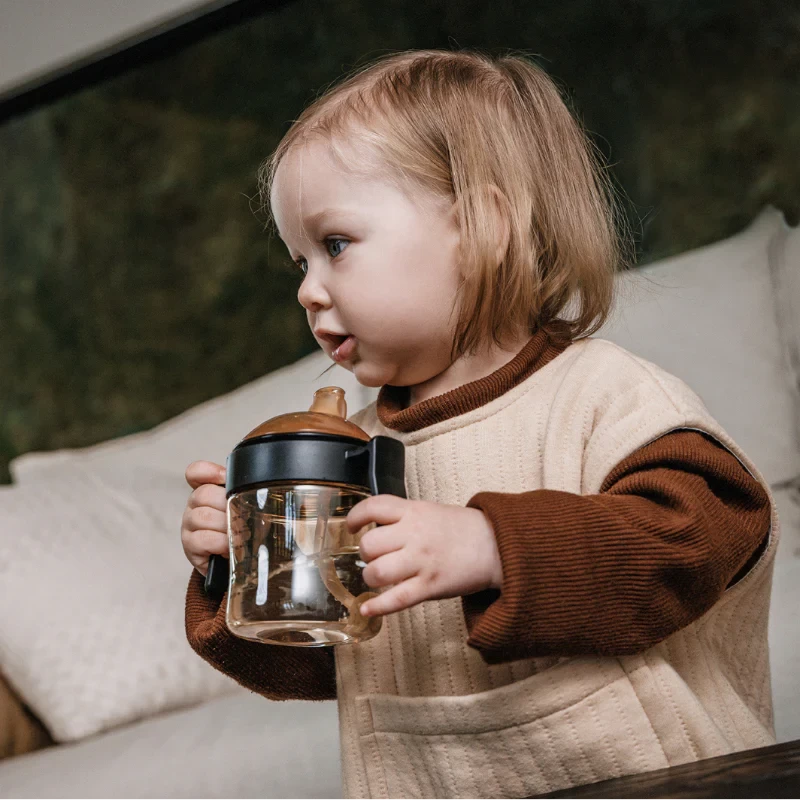
How to Transition Your Baby to a Sippy Cup
A gentle milestone in everyday feeding: Moving from bottle feeding to independent cup use is an important step in your baby’s development. With the right timing, a supportive cup design, and a little patient practice, this transition can help build coordination, confidence, and more independent drinking habits.
When Is the Optimal Time to Start Using a Sippy Cup?
Around six months is a common time to begin introducing a sippy cup. At this stage, many babies can sit with support, show interest in feeding tools, and begin practicing new hand-to-mouth skills during mealtimes.
Gentle, gradual exposure can help reduce long-term bottle dependence and may also support healthier oral habits over time. Rather than focusing only on age, it’s often most helpful to look for readiness signs such as steady supported sitting, curiosity about cups, and a desire to imitate how others drink.
Identifying Baby Cup Transition Stages Based on Developmental Milestones
Developmental milestones can offer a helpful guide when deciding whether your baby is ready to begin practicing with a cup. For many infants, this transition starts between six and nine months, as they begin grasping, lifting, and exploring objects more purposefully.
By around six months, some babies are able to bring a cup toward the mouth with support. A soft spout or straw-style cup may make this shift feel more familiar at first, while still encouraging new drinking mechanics beyond bottle feeding.
Research has also explored the connection between cup design and the development of fine motor control and hand-to-jaw coordination during drinking.
Research Note: Cup Drinking Development & Fine Motor Skills A published study examining open-cup drinking development found that while children share certain universal drinking behaviors, they also show individualized patterns within typical development. Results suggested that the force applied to the cup decreased or became more consistent as fine motor skills improved.
Pediatric Recommendations for Initiating Sippy Cup Use
Most pediatric guidance supports introducing cup exposure at around six months, often alongside the introduction of solid foods. While there is no rigid deadline, many clinicians encourage regular cup practice by around 12 months to help limit prolonged bottle use and the oral health concerns that can come with it.
What goes into the cup matters too. Research suggests that liquid choice can influence both nutrition and oral health outcomes.
Research Note: Sippy Cup Liquid Choices & Oral Health One study found that fruit juice was among the most common liquids used in sippy cups, followed by milk and water. The findings suggested that juice use increased with age, highlighting the importance of thoughtful drink choices for both nutrition and dental health.
Which Features Define the Best Sippy Cups for Toddlers?
A well-designed sippy cup should feel safe, easy to hold, and simple to use during the learning process. The best options tend to support both toddler independence and caregiver convenience.
Key features to look for
- BPA-free materials: food-safe, non-toxic materials help support safer everyday use
- Soft spout or straw design: can ease the transition from bottle feeding
- Lightweight and easy to hold: toddler-friendly shapes encourage more independent drinking
| Feature | Why It Matters | Importance |
|---|---|---|
| BPA-Free Materials | Helps reduce concern around harmful chemical exposure | High |
| Soft Spout or Straw Design | Supports comfort while encouraging new drinking skills | Medium |
| Lightweight Construction | Makes it easier for little hands to hold and control | High |
Evidence also suggests that spout configuration can influence oral motor development, so cup design is more than a cosmetic detail.
Research Note: Spout Types & Oral Motor Development Some spout cups that require sucking in a way similar to a bottle nipple are not ideal for long-term use. Research and clinical guidance suggest that different spout types may better support different stages of oral motor development, depending on a child’s individual needs.
HEORSHE sippy cups are designed with this transition in mind, combining toddler-friendly ergonomics with spill-control features that support everyday practice.

Evaluating Spill-Proof Toddler Cups and Ergonomic Designs
Spill-control can make practice less stressful for both babies and caregivers. While some mess is part of learning, a thoughtfully designed cup can reduce frustration and make it easier for toddlers to build confidence.
Helpful design details include handle shape, grip diameter, cup weight, and the overall ease with which a child can lift and tilt the cup independently.
Assessing Safety and Material Standards: BPA-Free and Non-Toxic Attributes
Choose cups made from food-grade, non-toxic materials that are free from BPA, PVC, and phthalates. These material standards are widely expected in modern feeding products and can offer greater peace of mind in everyday use.
HEORSHE follows these safety expectations while also designing products that feel soft, practical, and visually calm within a family’s daily routine.
What Are Effective Sippy Cup Training Tips for a Smooth Transition?
A smooth transition usually comes from consistency, patience, and repeated low-pressure practice. Babies often need time to understand a new cup shape, new drinking mechanics, and a new routine.
Helpful training tips
- Be patient: offer the cup regularly so it becomes familiar
- Choose an appealing design: shape, color, and drinking style may influence acceptance
- Prioritize easy cleaning: a simple-to-wash cup supports regular use and better hygiene
Regular exposure, a developmentally appropriate design, and calm repetition can all help reduce setbacks during the learning process.
Step-by-Step Guide to Transitioning from Bottle to Sippy Cup
A phased approach often works best. Start small, allow practice to feel natural, and move at a pace that suits your child’s confidence and coordination.
- Introduce the cup during meals: mealtime offers a natural setting for practice.
- Replace one bottle at a time: gradual change is usually easier than a sudden switch.
- Observe and adjust: monitor your baby’s comfort, coordination, and acceptance as skills develop.
Common Challenges and Solutions During Baby Cup Training
Some resistance is normal. Many babies need time to adjust, and there may be a little trial and error before you find the cup style that works best.
Try a different spout or straw style, or model cup use during meals so your baby can observe and imitate.
Choose dishwasher-safe cups or designs with fewer parts to simplify everyday care.
It may take a few tries to discover the cup shape, handle style, or flow type your baby prefers.
Choosing an ergonomic, easy-to-clean cup and offering steady, encouraging practice can make the transition feel much smoother over time.
How Do HEORSHE Sippy Cups Support Safe and Stylish Baby Feeding Transitions?
HEORSHE brings together non-toxic materials, toddler-friendly ergonomics, and a calm, modern design language that feels as practical as it is thoughtful. The goal is to support independent drinking without making daily feeding feel complicated.
For families moving from bottle to cup, the right details can make a meaningful difference. HEORSHE designs with those small but important moments in mind.
Product Features: Ergonomic Design and Spill-Proof Technology
- Ergonomic design: shaped to feel comfortable in small hands
- Spill-proof technology: helps reduce mess during the learning process
- Safety-focused materials: designed to meet modern expectations for infant feeding products
Together, these features support a smoother transition while helping caregivers feel more confident in daily use.
Compliance with Safety Certifications and Gender-Neutral Design Trends
Feeding products should meet recognized safety expectations, but they should also feel at home in modern family life. HEORSHE balances compliance, usability, and soft, gender-neutral aesthetics to create products that are both functional and visually versatile.
Frequently Asked Questions
What are the signs that my baby is ready to transition to a sippy cup?
Look for signs such as sitting with support, showing interest in cup drinking, and being able to grasp and lift a cup toward the mouth. These often appear around six months, though timing varies from child to child.
How can I encourage my baby to use a sippy cup if they resist?
Offer different cup types, demonstrate drinking during meals, and keep practice consistent but low-pressure. Familiarity often increases acceptance over time.
Are there specific liquids I should avoid in a sippy cup?
It’s best to avoid carbonated drinks and limit undiluted fruit juice because of sugar content and cavity risk. Water and milk are generally preferred choices.
What should I do if my child spills frequently while using a sippy cup?
Frequent spills are a normal part of learning. Use a spill-control cup, practice in an easy-to-clean area, and help your child slow down and adjust grip as needed.
How can I ensure the sippy cup is safe for my child?
Check that the cup is made from food-grade, BPA-free materials and inspect it regularly for loose or damaged parts. Following the manufacturer’s cleaning and care instructions is also important.
What are the benefits of using a sippy cup over a bottle?
Sippy cups can help reduce prolonged bottle use, support self-feeding, and encourage fine motor and oral coordination skills needed for more independent drinking.
How long should I expect the transition to take?
The timeline varies by child. For some babies, it may take a few weeks, while for others it can take a few months. A gradual and consistent approach usually works best.
Designed to support growing independence, one sip at a time
With thoughtful materials, ergonomic comfort, and a gentle design approach, HEORSHE sippy cups are made to help little ones build confidence through everyday practice.
Explore HEORSHE Sippy Cups