
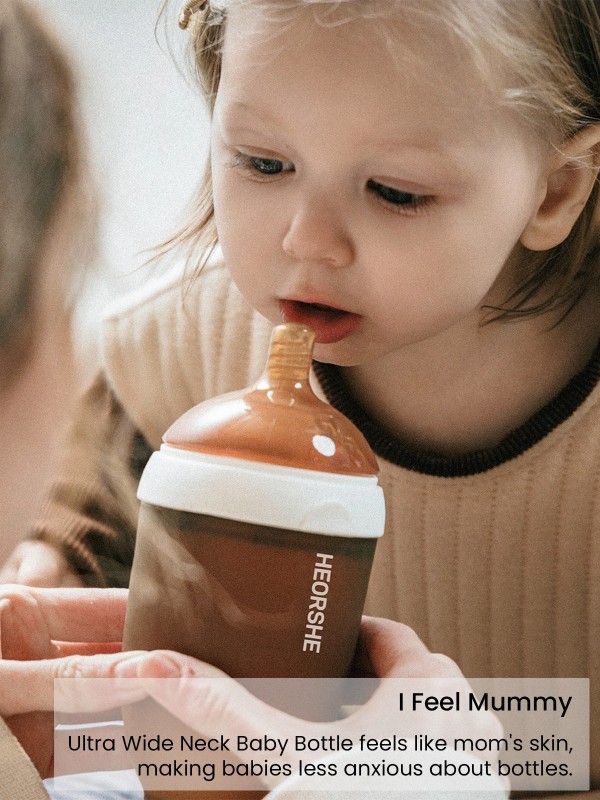
Safe Bottle Feeding Practices for Infants
A cleaner feeding routine starts with the right care: Safe bottle-feeding helps protect infant health, reduce contamination risk, and support more confident daily feeding. This guide covers trusted sterilization methods, bottle selection tips, and practical hygiene habits that make everyday care feel simpler and safer.
How Should Infant Bottles Be Sterilized for Optimal Safety?
Sterilization helps remove bacteria and other potentially harmful microorganisms from feeding equipment. For infants, especially newborns and younger babies, this extra step can play an important role in supporting safer feeding routines.
Heat-based and chemical approaches are the most common methods used to reduce microbial contamination. In general, boiling, steam sterilizing, and UV sterilizing are among the most widely accepted options when used correctly.
Microwave sterilization should be approached with caution, as uneven heating may create hot spots or inconsistent results depending on the equipment and product materials involved.
For caregivers looking for safe, thoughtfully designed feeding products, HEORSHE offers a range of baby bottles created to align with modern feeding needs, safety expectations, and calm everyday design.
What Are the Step-by-Step Methods for Effective Bottle Sterilization?
Different sterilization methods suit different routines, but the goal is always the same: to keep bottles and feeding parts as hygienic as possible before use.
Common sterilization methods
- Boiling: fully submerge bottles, nipples, and small parts in boiling water for 5–10 minutes.
- Steam sterilizing: use an electric steam sterilizer or approved steam sterilizing system to process multiple items efficiently.
- UV sterilizing: UV devices use ultraviolet light to help inactivate microbes without chemical residue.
When these methods are used according to product instructions and material compatibility, they can significantly lower contamination risk and help keep bottles ready for safe feeding.
Which Sterilization Techniques Align with Current Safety Standards?
Current guidance from health organizations generally supports boiling, steam sterilization, and UV sterilization as reliable approaches for infant feeding equipment. Washing with soap and water remains essential, but on its own it may not provide the same level of microbial reduction as sterilization in higher-risk situations.
Research has also highlighted the need for stronger evidence around the clinical and cost-effectiveness of home sterilization methods.
Research Note: Infant Bottle Sterilization & Cleaning Methods Review A systematic review examining home cleaning and sterilization methods for infant feeding equipment found variation across national guidelines and a limited evidence base in many recommendations. One consistent takeaway was that thorough hand-washing and cleaning remain fundamentally important, even when sterilization is part of the routine.
What Criteria Define the Best Baby Bottles in 2026?
The best baby bottles combine safety, practicality, and thoughtful design. Parents are often looking for feeding products that are easy to clean, comfortable to hold, and made from materials they can trust.
What to look for
- Material safety: choose BPA-free materials to help reduce concerns around chemical migration
- Functional design: ergonomic shapes can improve comfort for both caregiver and baby
- Safety certifications: recognized testing standards add reassurance around product quality and compliance
Applying these criteria can help caregivers choose bottles that feel both safe and practical for everyday feeding.
How Do BPA-Free Materials and Safety Certifications Impact Bottle Selection?
BPA-free materials matter because bisphenol A has been associated with potential health concerns. Using bottles made without BPA is intended to reduce the chance of unwanted chemical migration into milk or formula.
Safety certifications add another layer of confidence by showing that a product has met established testing standards for infant feeding use.
At the same time, research suggests that material quality, repeated stress, and product lifespan all matter when evaluating long-term safety.
Research Note: BPA in Baby Bottles A study examining baby bottles labeled BPA-free found that some products released detectable BPA under certain stress conditions. The findings underline the importance of careful material testing, quality control, and replacing products when they show signs of aging or wear.
What Are the Benefits of Ergonomic and Gender-Neutral Bottle Designs?

Ergonomic, gender-neutral bottle designs can improve comfort, support easier handling, and fit naturally into a wide range of family preferences. Thoughtful design details can also make daily feeding feel more intuitive and less stressful.
When paired with durable materials, these design choices offer a balance of safety, practicality, and visual simplicity.
How Can Parents Maintain Feeding Hygiene and Clean Baby Bottles Safely?
Good hygiene is one of the most important parts of safe bottle-feeding. A consistent cleaning routine helps prevent residue buildup and lowers the risk of contamination between feeds.
A simple hygiene routine
- Clean after every use: wash bottles, nipples, and parts with hot, soapy water or in the dishwasher if approved.
- Rinse thoroughly: make sure no soap residue remains on feeding surfaces.
- Air dry fully: allow all parts to dry completely before storage to help discourage bacterial growth.
Consistent daily cleaning helps keep the feeding environment safer and more hygienic for your baby.
What Are the Recommended Cleaning Practices to Prevent Infant Illness?
To help lower infection risk, daily care should go beyond a quick rinse. Bottles should be washed after each feeding, sterilized regularly when needed, and checked often for wear or damage.
- Daily cleaning: removes milk residue that can support microbial growth
- Regular sterilization: especially important for newborns and infants under three months
- Routine inspection: look for cracks, discoloration, or wear that may trap bacteria
These simple habits help keep feeding accessories safe, sanitary, and ready for repeated use.
How Often Should Baby Bottle Components Be Replaced for Safety?
Even with careful cleaning, bottle components do not last forever. Regular replacement helps maintain hygiene, preserve performance, and reduce risks associated with damaged or worn feeding parts.
| Component | Suggested Replacement Timing | What to Watch For |
|---|---|---|
| Nipples | Every 2–3 months, or sooner if needed | Tears, enlarged holes, thinning, discoloration |
| Bottles | Typically every 6–12 months, depending on wear | Cracks, cloudiness, warping, visible damage |
| Caps and Rings | Replace as needed | Warping, poor seal, misshapen parts |
Replacing worn components on time helps preserve both feeding safety and day-to-day convenience.
Frequently Asked Questions
What are the signs that a baby bottle needs to be replaced?
Replace bottles that show cracks, warping, discoloration, or surface damage. Nipples should also be replaced if they develop tears, thinning, or enlarged holes.
Can I use regular dish soap to clean baby bottles?
Yes. A mild, fragrance-free dish soap is generally suitable for cleaning baby bottles. Rinse thoroughly after washing, and for younger infants, sterilize after cleaning when appropriate.
How can I ensure that my baby bottle is BPA-free?
Check the packaging, product specifications, or manufacturer documentation for BPA-free labeling. It’s also helpful to look for recognized safety certifications and reputable material information.
What is the best way to store baby bottles after cleaning?
Allow bottles to air dry completely, then store them in a clean, dry cabinet or covered container. Avoid storing them while damp, since trapped moisture can encourage mold or bacterial growth.
Are there any specific feeding accessories I should avoid?
Avoid products made from questionable materials, accessories without clear safety information, items with small loose parts, or anything that shows visible wear or damage.
What should I do if my baby shows signs of discomfort during bottle feeding?
Check the bottle temperature, nipple flow rate, and feeding position first. If fussiness, gas, or refusal continues, consult a pediatrician to rule out feeding difficulties or other underlying concerns.
Safe feeding starts with thoughtful choices and everyday care
From bottle materials to cleaning routines, small care decisions can make a meaningful difference. HEORSHE designs feeding essentials to support safety, comfort, and confidence in daily family life.
Explore HEORSHE Feeding Essentials